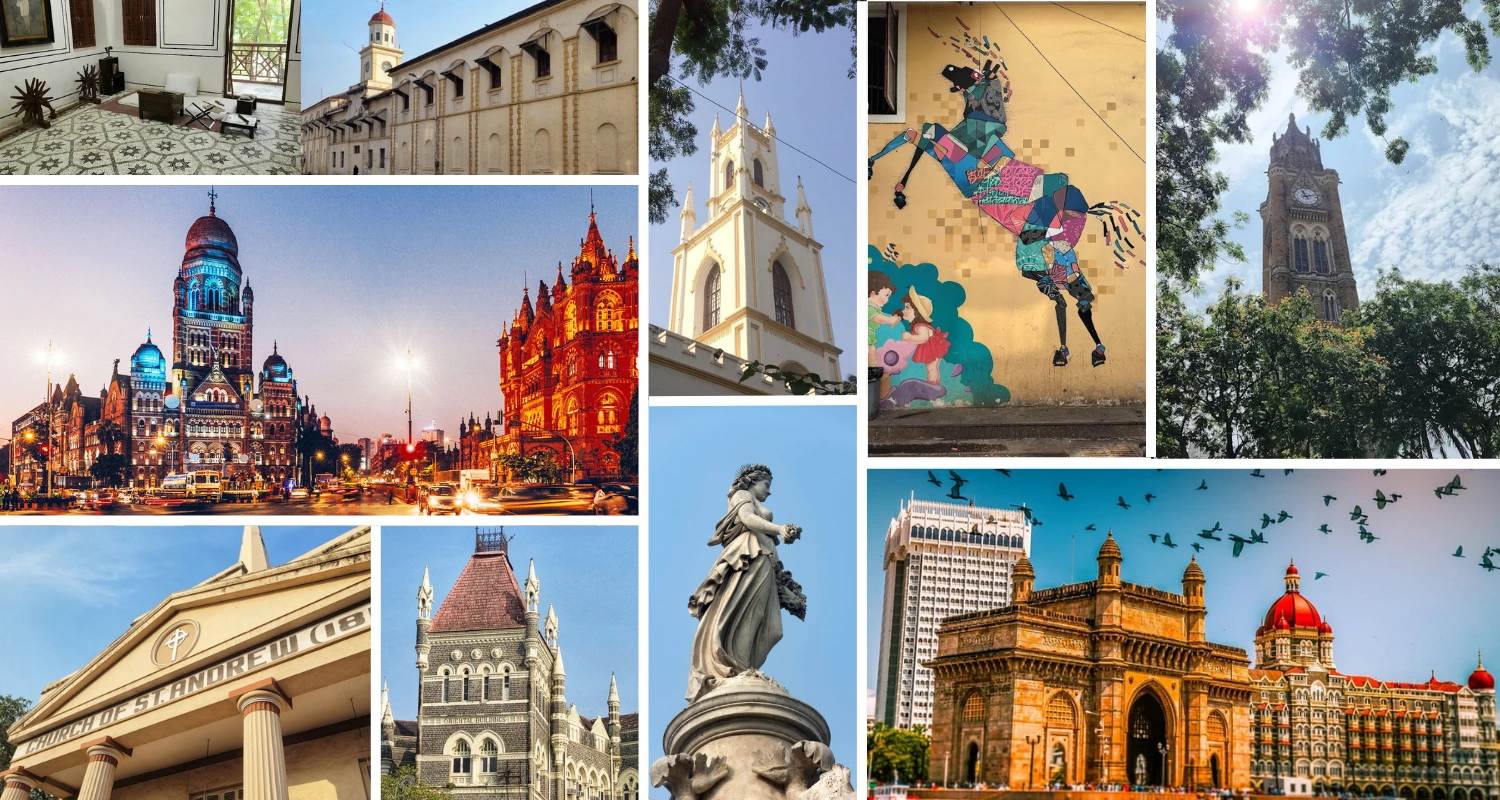
Private half day Mumbai tour landmarks including Gateway of India, Chhatrapati Shivaji Maharaj Terminus (CSMT), Mani Bhavan and historic South Mumbai architecture.


Half-Day Private Mumbai Highlights Tour + Mumbai Food Tour


⏰ Duration: Approx. 5–6 hours
💰 Cost: ₹8,000 per person
🎙️ Tour style: Story-driven • Friendly • Flexible • Private


Our Private Mumbai Sightseeing

Tour Includes

Private Air-Con Car

Travel comfortably across Mumbai in a private air-conditioned car, allowing you to explore the city’s highlights with ease.

Hotel Pick-up & Drop-off

Enjoy convenient hotel pick-up and drop-off anywhere in South Mumbai for a smooth and stress-free start to your tour.

Local Guide

Discover Mumbai with a knowledgeable local guide who brings the city’s history, culture, and stories to life.

Lunch

Experience authentic local cuisine with a traditional Gujarati thali lunch served at a popular Mumbai restaurant.

Chai & Snacks

Take a break during the tour to enjoy classic Indian tea and local snacks loved by Mumbaikars.

Discover Mumbai on Wheels: Personalized Guided Private Tours

Private Half Day Mumbai Tour

Discover the highlights of Mumbai comfortably with a private half day Mumbai tour by air-conditioned car. This experience is perfect for travellers who want to see the city’s most iconic sights in a short amount of time, while enjoying the insights and stories of a knowledgeable local guide.

Mumbai is a large and energetic city, and travelling by private car allows you to cover far more ground than a walking tour alone. Over the course of 4–5 hours, you’ll explore historic landmarks, fascinating neighbourhoods, and beautiful seaside views.

This private Mumbai tour is fully flexible, meaning we can adjust the itinerary based on your interests, traffic conditions, or your hotel location.

🚗 Private air-conditioned vehicle
👣 Local guide and storyteller
📸 Plenty of photo opportunities
🕰 Flexible itinerary

city-sightseeing-tour-by-magical-mumbai-tours-1


The Story of Mumbai on Wheels

The City of Dreams


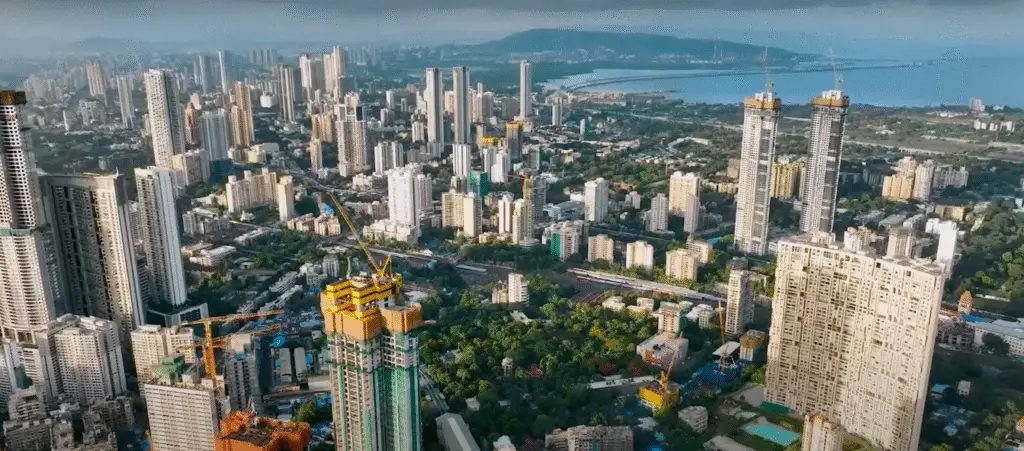
Mumbai is a city full of fascinating stories, layered history, and surprising contrasts. On this private Mumbai tour, you’ll discover how a small group of fishing islands became one of the world’s most dynamic cities.

Along the way, we’ll explore the people, places, and events that shaped the city.  

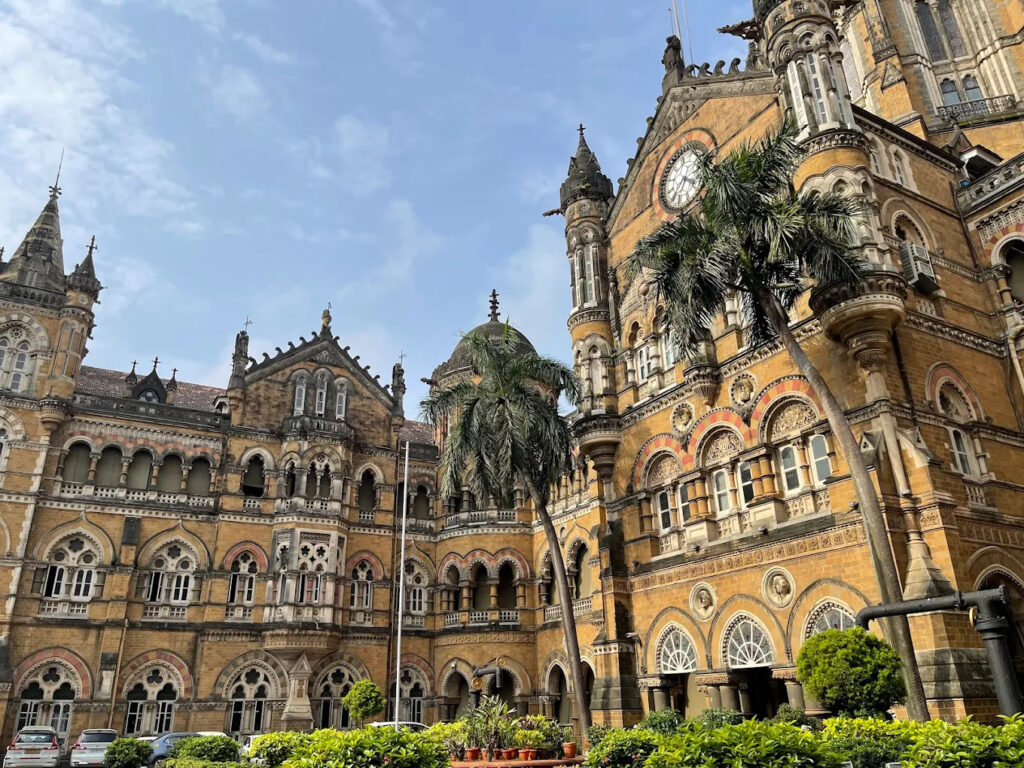
Chhatrapati Shivaji Maharaj Terminus (CSMT)


One of the most remarkable landmarks on any Mumbai sightseeing tour, Chhatrapati Shivaji Maharaj Terminus (CSMT) is a UNESCO World Heritage Site and one of the finest examples of Victorian Gothic architecture in India. Completed in 1887 during the British colonial era, the station blends European design with Indian craftsmanship and serves as the busy heart of Mumbai’s railway network, used daily by millions of commuters.

But CSMT is more than just a train station — it is a symbol of Mumbai’s history, ambition, and energy.

By the time you leave, you’ll see why CSMT is considered one of the most beautiful railway stations in the world and an essential stop on any Mumbai city tour.

istock-1052307206-cropped-1600428462

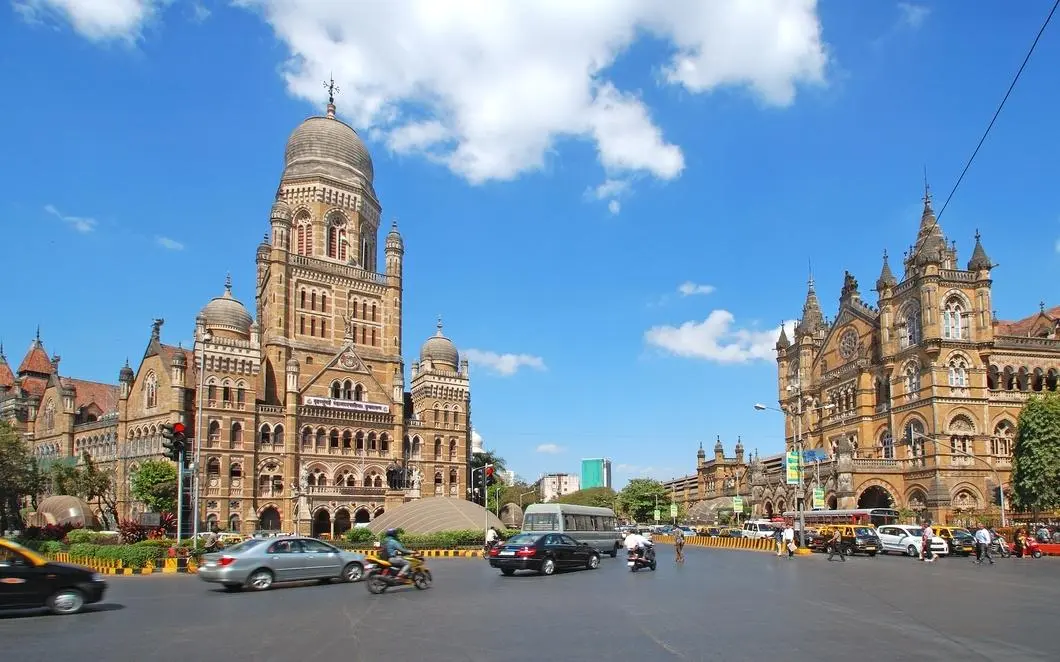
BMC Headquarters


Located opposite Chhatrapati Shivaji Maharaj Terminus, the BMC Headquarters is one of the finest examples of Victorian Gothic Revival architecture in Mumbai. Built in 1893, this striking structure serves as the headquarters of the Brihanmumbai Municipal Corporation, the civic body responsible for running and managing the city.

With its impressive dome, ornate stone carvings, and dramatic façade, the building reflects the architectural grandeur of colonial-era Bombay. Today it remains the administrative heart of the city, where important decisions about Mumbai’s development and infrastructure are made.

During our private half day Mumbai tour, we stop here to admire the building’s architecture and learn about the role it plays in the daily life of this bustling metropolis.

Vada Pav – Mumbai’s Favourite Street Food


No Mumbai food experience is complete without tasting the city’s most famous street snack — the vada pav. Often called the “Indian burger,” this simple yet delicious dish consists of a spicy potato fritter (vada) tucked inside a soft bread roll (pav), served with tangy chutneys and fried green chillies.

Created in Mumbai in the 1960s as an affordable and filling snack for textile mill workers, vada pav quickly became a symbol of the city’s fast-paced lifestyle. Today it is enjoyed by everyone — from office workers and students to taxi drivers and business executives.

During our private half day Mumbai tour, we stop to sample this iconic street food and experience a taste of everyday life in the city.

Mumbai Private Tours tasting street snacks in Mumbai

Ballard Estate


Tucked away near the Mumbai Port, Ballard Estate is one of the city’s most elegant and lesser-known historic districts. Built in the early 20th century on land reclaimed from the sea, the area was designed with wide streets and uniform Edwardian Neo-Classical buildings, giving it a distinctly European feel.

Unlike many parts of busy South Mumbai, Ballard Estate has a calm and orderly atmosphere, with tree-lined avenues and beautifully preserved heritage buildings that once housed major shipping companies and trading offices during the colonial era.

During our private half day Mumbai tour, we drive through this historic neighbourhood to admire its architecture and learn about how Bombay grew into one of the most important port cities in the British Empire.

Asiatic Society of Mumbai – Town Hall


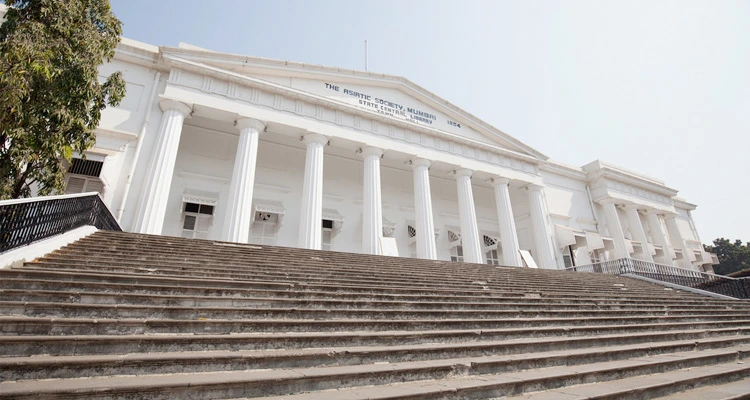
With its grand white columns and sweeping staircase, the Asiatic Society of Mumbai Town Hall is one of the most recognisable heritage buildings in South Mumbai. Built in 1833 in a striking Neo-Classical style, the building was inspired by ancient Greek and Roman architecture and once served as the intellectual centre of colonial Bombay.

Today the Town Hall houses the historic Asiatic Society Library, home to an extraordinary collection of rare manuscripts, maps, and books that document the history of India and the wider region.

During our private half day Mumbai tour, we stop here to admire the impressive architecture and hear stories about the scholars, explorers, and administrators who once gathered in this important institution.

 
asiatic-society-mumbai-town-hall-indian-toueism-opening-time-closing
horniman-circle-gardens-243916

Horniman Circle


Located in the historic Fort district of South Mumbai, Horniman Circle is one of the city’s most elegant heritage spaces. The circular garden is surrounded by beautiful Victorian-era buildings with graceful arcades, once home to banks, trading companies, and commercial offices during the height of colonial Bombay.

Originally known as Elphinstone Circle, the area was later renamed after Benjamin Horniman, a British journalist who supported India’s freedom movement and exposed the truth about the Jallianwala Bagh massacre.

During our private half day Mumbai tour, we stop here to admire the impressive architecture and learn how this district became the financial and commercial heart of colonial Bombay.

St. Thomas Cathedral


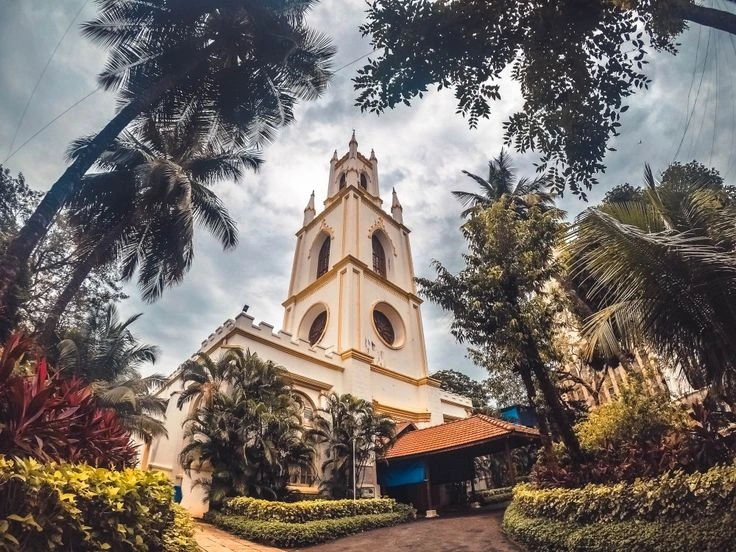
Hidden in the historic Fort district, St. Thomas Cathedral is the oldest Anglican church in Mumbai and one of the city’s most important colonial landmarks. Consecrated in 1718, the cathedral was the first major British church built in Bombay and served as a spiritual centre for the growing colonial settlement.

Inside the church, visitors can see beautiful stained-glass windows and fascinating memorial plaques dedicated to soldiers, merchants, and administrators who lived and worked in early Bombay. These inscriptions offer a unique glimpse into the lives, struggles, and ambitions of the people who helped shape the city.

During our private half day Mumbai tour, we step inside this peaceful historic space to explore its architecture and uncover stories from the early days of colonial Bombay.

Photo of adrak chai 


Kulhad Chai – Tea in a Traditional Clay Cup


Another delightful way to enjoy tea on a Mumbai city tour is by trying kulhad chai — freshly brewed tea served in a traditional clay cup known as a kulhad. The porous earthen cup subtly enhances the flavour of the tea, giving it a unique earthy aroma that many tea lovers enjoy.

Kulhad chai has its roots in North India but has become increasingly popular across Mumbai, especially at railway stations and street tea stalls. The cups are usually used once and then discarded, making them a simple and eco-friendly alternative to plastic or paper cups.

During our private half day Mumbai tour, we may stop for a cup of chai served in a kulhad, offering a small but authentic taste of India’s rich tea culture.

Enjoying kulhad chai is a simple yet memorable experience that adds a touch of local flavour to a Mumbai sightseeing tour. ☕

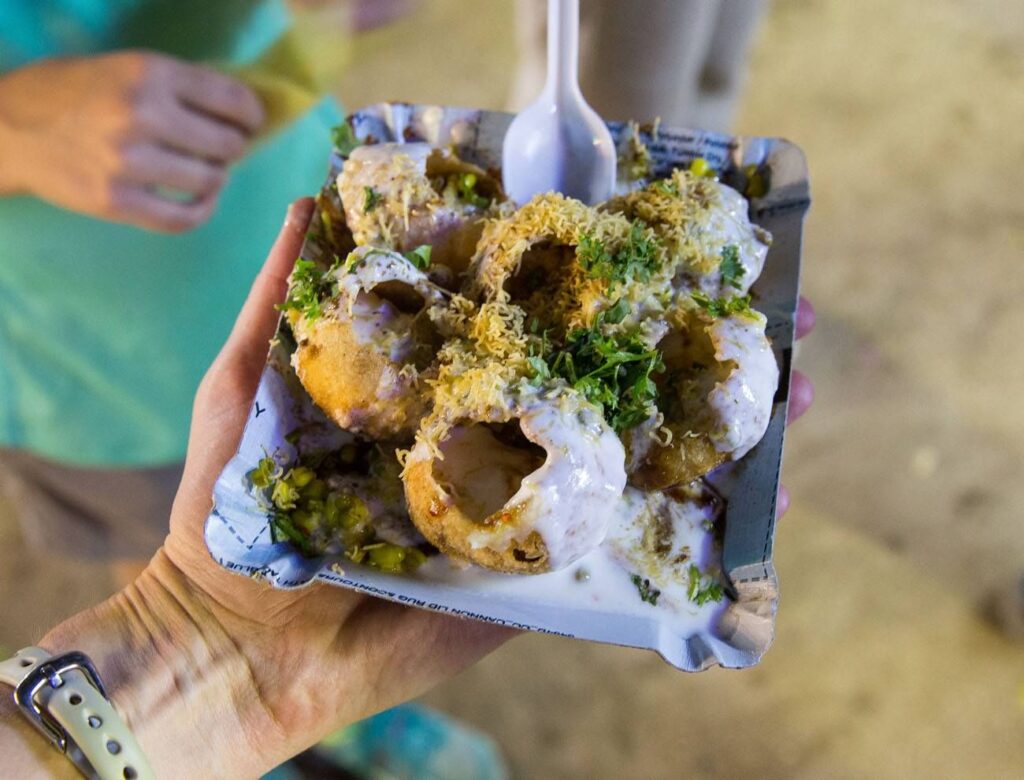
Chaat – Mumbai’s Favourite Street Snack


No Mumbai food experience is complete without tasting chaat, the colourful and flavourful street snacks that are loved across the city. Chaat combines a delicious mix of crispy puris, potatoes, onions, chutneys, spices, and crunchy sev to create a perfect balance of sweet, tangy, spicy, and savoury flavours.

Popular varieties include bhel puri, sev puri, and pani puri, each offering its own unique taste and texture. These snacks are an essential part of Mumbai’s vibrant street food culture and are enjoyed by locals throughout the day.

During our private half day Mumbai tour, we may stop to try some fresh chaat from a trusted local vendor, giving you a chance to experience one of the city’s most iconic flavours.

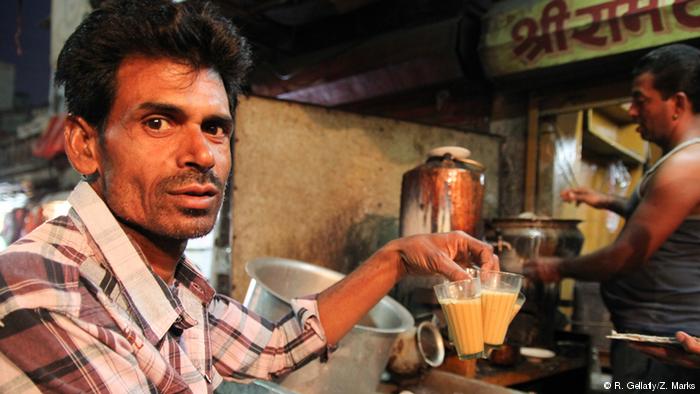
Cutting CHai


Cutting Chai – Mumbai’s Favourite Tea


One of the most authentic experiences on a Mumbai city tour is stopping for a glass of cutting chai, the strong, sweet milk tea that fuels the city from morning to night. Brewed with tea leaves, milk, sugar, and aromatic spices, chai is an essential part of everyday life for millions of Mumbaikars.

The word “cutting” refers to the half-sized glass in which the tea is served — perfect for a quick refreshment while chatting with friends, taking a break from work, or watching the city rush by.

During our private half day Mumbai tour, we pause at a local tea stall to enjoy this beloved drink and experience a small but memorable slice of daily life in Mumbai.

Simple, comforting, and full of flavour, cutting chai is one of the most enjoyable cultural experiences on a Mumbai sightseeing tour. ☕

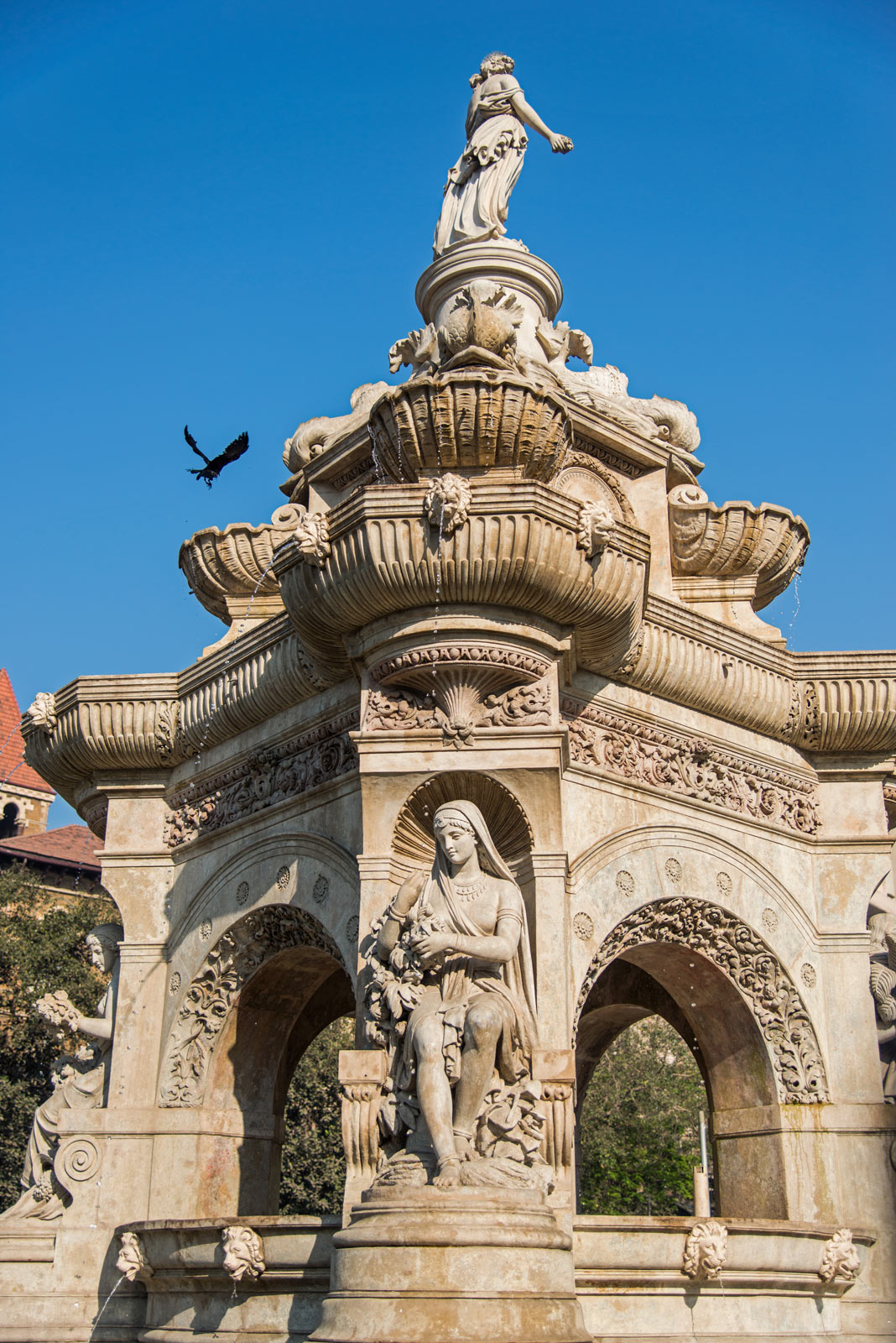
Flora Fountain


Standing at one of the busiest intersections in the historic Fort district, Flora Fountain is one of Mumbai’s most recognisable heritage monuments. Built in 1864, the fountain is named after Flora, the Roman goddess of flowers, whose elegant statue crowns the top of the structure.

Carved from imported Portland stone, the fountain was designed in a Victorian Neo-Classical style and originally formed part of the city’s water supply system. Over time it became a popular landmark and meeting point in the heart of colonial Bombay.

During our private half day Mumbai tour, we stop here to admire the intricate sculptures and learn about how this busy crossroads became one of the most important locations in the city’s historic Fort area.

OYS_2872
Untitled design (3)

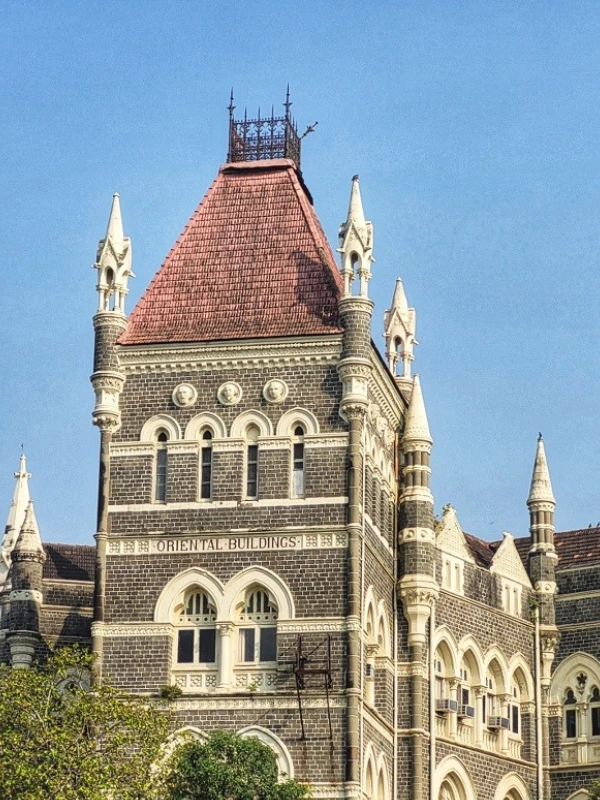
Oriental Building


Located on Dadabhai Naoroji Road (DN Road) next to the famous Flora Fountain, the Oriental Building is one of the many beautiful heritage structures that line this historic boulevard in South Mumbai. Built during the late 19th century, the building originally housed Cathedral High School, one of the earliest educational institutions established in colonial Bombay.

With its elegant arches, balconies, and detailed stone façade, the structure reflects the architectural style that defined much of the Fort district during the British era. Over time, as Bombay developed into a major commercial and financial centre, many of the buildings along DN Road transitioned from schools and institutions into offices and commercial spaces.

During our private half day Mumbai tour, we pass through this historic area to admire the impressive streetscape of DN Road, which is home to one of the largest collections of Victorian-era commercial buildings in India.

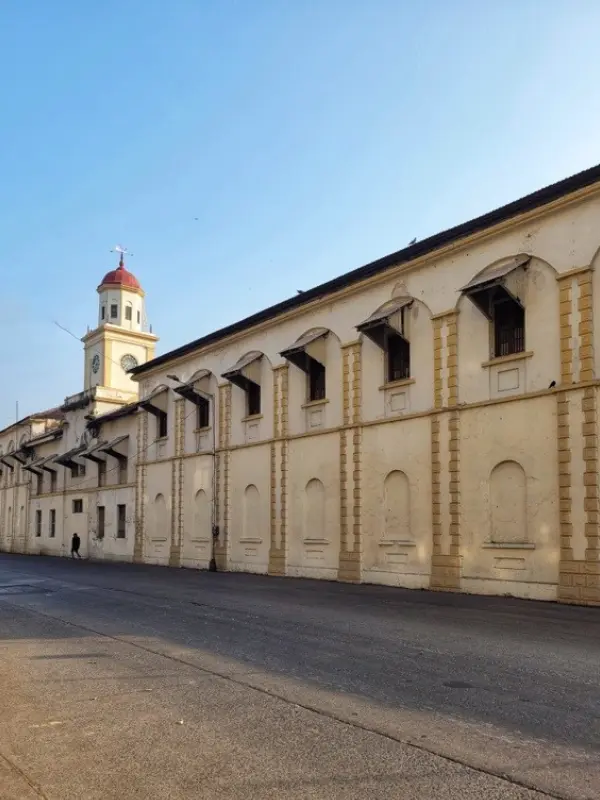
Lion Gate – Mumbai Port


Located near Ballard Estate, Lion Gate marks one of the historic entrances to the Mumbai Port, one of the busiest and most important ports in India. For over a century, this gateway has served as an access point to the bustling docks where ships from around the world arrived carrying goods, passengers, and sailors into the city.

During the late 19th and early 20th centuries, Bombay’s harbour was a vital hub of global trade within the British Empire. Cotton, spices, textiles, and many other commodities passed through these docks, helping transform Bombay into one of Asia’s most important commercial cities.

During our private half day Mumbai tour, we stop near the port walls at Lion Gate to talk about the maritime history of the city and the crucial role the harbour played in shaping Mumbai’s growth.

Today, the port remains an essential part of the city’s economy and a fascinating glimpse into the maritime heritage of Mumbai, making it an interesting stop on a Mumbai sightseeing tour.
Untitled design (1)

St. Andrew’s Church (Scots Kirk)


Located in the historic Fort district of South Mumbai, St. Andrew’s Church, also known as the Scots Kirk, is one of the oldest Scottish Presbyterian churches in the city. Completed in 1819, the church was built to serve the Scottish community living and working in colonial Bombay.

Designed in a graceful Neo-Classical style, the church features a distinctive triangular pediment, tall columns, and a simple yet elegant façade that reflects the architectural tastes of the early 19th century. For many years, the church was an important gathering place for Scottish merchants, soldiers, and administrators who played a role in the development of Bombay.

During our private half day Mumbai tour, we stop here to admire the historic building and explore the diverse communities that helped shape the cultural fabric of the city.

Lorem ipsum dolor sit amet, consectetur adipiscing elit. Ut elit tellus, luctus nec ullamcorper mattis, pulvinar dapibus leo.

Today, St. Andrew’s Church remains a quiet historic landmark and an interesting stop on a Mumbai sightseeing tour through the heritage streets of South Mumbai.

Royal Alfred Sailors’ Home


Located in the historic Ballard Estate district, the Royal Alfred Sailors’ Home is one of Mumbai’s most fascinating maritime heritage buildings. Built in 1876, the building was designed to provide accommodation and welfare facilities for sailors arriving at the busy port of Bombay during the height of the British Empire.

Constructed in a distinctive Venetian Gothic style, the building features impressive stonework, pointed arches, and decorative carvings that reflect the architectural tastes of the late 19th century. At a time when Bombay was one of the most important ports in Asia, thousands of sailors from around the world passed through the city, and this building served as a safe and comfortable place for them to stay.

During our private half day Mumbai tour, we visit this historic landmark to explore the maritime history of Bombay and learn about the role sailors played in connecting the city to global trade routes.

Today, this beautiful heritage structure stands as a reminder of Mumbai’s rich maritime history, making it an interesting stop on a Mumbai sightseeing tour through the Ballard Estate area.

9458011414_66243ac810_b

Dhanraj Mahal

Located in the Colaba neighbourhood near the Gateway of India, Dhanraj Mahal is a striking example of Art Deco architecture in Mumbai. Built in the 1930s by the wealthy Dhanrajgir family, the building reflects the modern architectural style that became popular in Bombay during the early 20th century.

With its curved balconies, geometric design, and clean lines, Dhanraj Mahal represents a shift from the ornate Gothic and colonial buildings of the earlier era to the sleek Art Deco style that defined much of Mumbai’s development in the 1930s and 1940s.

During our private half day Mumbai tour, we pass through this historic area to explore the architectural contrasts that make Mumbai so unique — from grand colonial landmarks to elegant Art Deco buildings.

Today, Dhanraj Mahal remains a beautiful reminder of Mumbai’s architectural evolution and an interesting stop on a Mumbai sightseeing tour through the Colaba district.


Ganna Juice – Fresh Sugarcane Juice

 
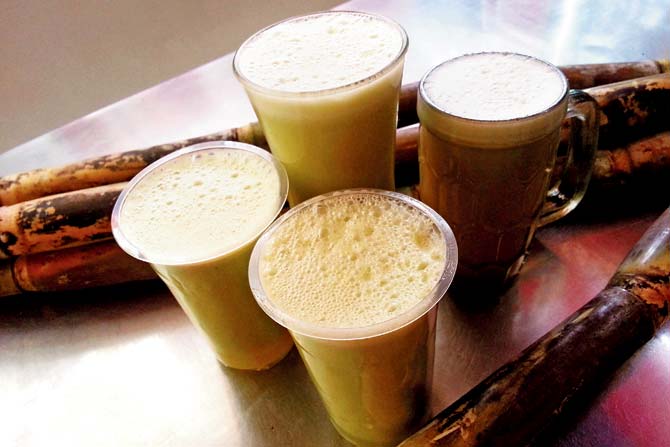
One of the most refreshing drinks to try on a Mumbai city tour is ganna juice, or fresh sugarcane juice. This popular street-side drink is made by pressing sugarcane stalks through a traditional machine, extracting a naturally sweet juice that is often served with a squeeze of lime and a touch of ginger.

Sugarcane juice has long been a favourite refreshment across India, especially in warm weather. The drink is not only delicious but also a quick source of energy, making it a popular stop for locals throughout the day.

During our private half day Mumbai tour, we may pause at a trusted local stall to watch the juice being freshly pressed and enjoy this simple yet authentic taste of everyday life in the city.

Cool, sweet, and incredibly refreshing, ganna juice is a delightful experience to enjoy on a Mumbai sightseeing tour. 🥤🌿


https://media-cdn.tripadvisor.com/media/photo-m/1280/15/48/7b/b2/royal-bombay-yacht-club.jpg
 

Bombay Yacht Club


Located near the Gateway of India in the historic Colaba district, the Royal Bombay Yacht Club is one of the most prestigious colonial-era institutions in Mumbai. Founded in 1846, the club originally served as an exclusive gathering place for British officers, merchants, and members of the colonial elite who were connected to Bombay’s thriving maritime trade.

The elegant building, completed in the late 19th century, reflects the refined architectural style of the period and overlooks the harbour where ships from across the world once arrived. For decades, the club symbolised the social life and hierarchy of colonial Bombay.

During our private half day Mumbai tour, we stop here to admire the building and explore stories about the sailing culture, maritime trade, and social clubs that shaped life in the port city of Bombay.

Today, the club remains a historic landmark in Colaba and an interesting stop on a Mumbai sightseeing tour, offering a glimpse into the social history of colonial Mumbai.

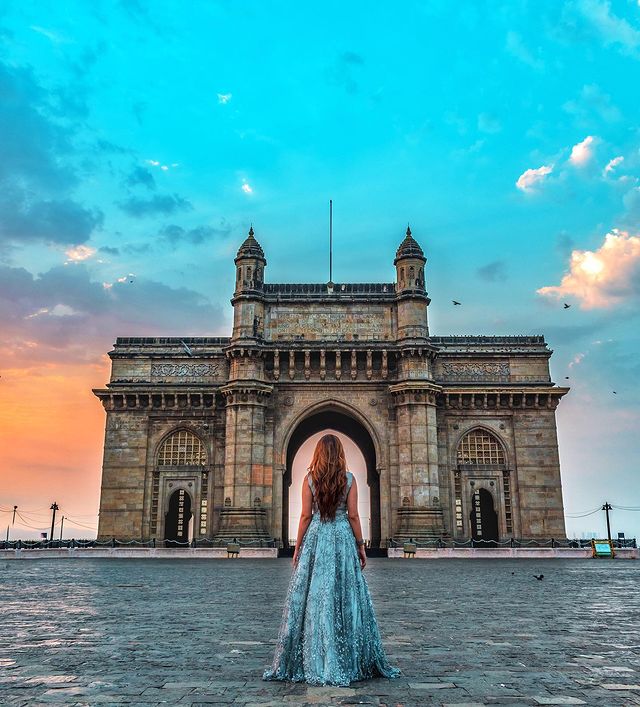
Gateway of India


The Gateway of India is Mumbai’s most famous landmark and one of the most recognisable monuments in the country. Built in 1924, the grand arch was constructed to commemorate the visit of King George V and Queen Mary to India in 1911 and symbolised the ceremonial entrance to British India.

Designed in an elegant Indo-Saracenic architectural style, the monument blends elements of Islamic, Hindu, and European design. Overlooking the Arabian Sea, the Gateway quickly became one of the most important gathering places in the city.

The monument also witnessed a powerful moment in history — in 1948, the last British troops ceremonially departed from India through this very gateway, marking the end of British rule.

During our private half day Mumbai tour, we stop here to admire the monument, enjoy views of the harbour, and explore the fascinating stories connected to this iconic symbol of Mumbai.

Gateway of India - Wikipedia

The Taj Mahal Palace Mumbai: A Timeless Icon of Elegance and Luxury


Taj Mahal Palace Hotel


Overlooking the Gateway of India, the Taj Mahal Palace Hotel is one of the most iconic landmarks in Mumbai. Opened in 1903, the hotel was built by Indian industrialist Jamsetji Tata and quickly became a symbol of elegance, innovation, and Indian enterprise during the colonial era.

The building’s striking red dome and grand façade combine several architectural styles, including Indo-Saracenic, Islamic, and Renaissance influences, creating one of the most recognisable skylines in the city. At the time it opened, the hotel was considered one of the most luxurious in Asia, featuring modern comforts that were rare in India at the beginning of the 20th century.

During our private half day Mumbai tour, we stop here to admire the historic hotel and explore the fascinating stories behind its creation and legacy.

Today, the Taj Mahal Palace remains a legendary destination and an essential stop on any Mumbai sightseeing tour, standing proudly beside the Gateway of India on the city’s historic waterfront.

Colaba Causeway


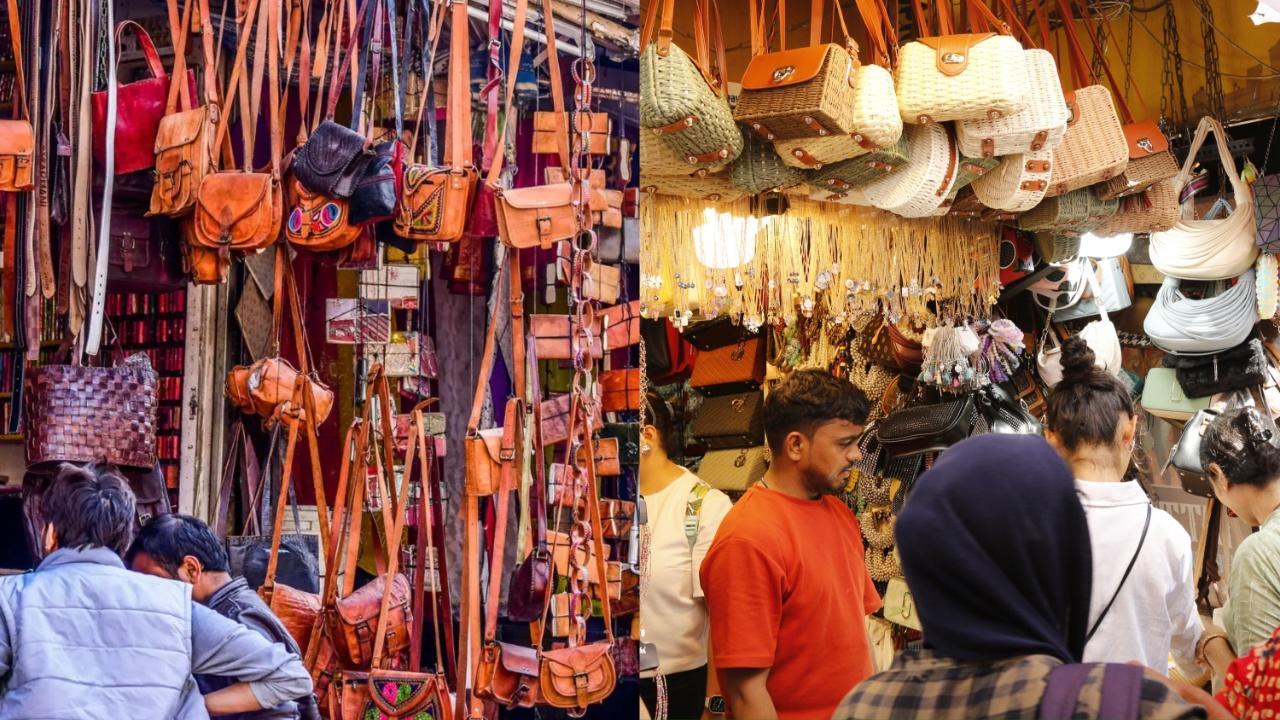
One of the most vibrant streets in South Mumbai, Colaba Causeway is famous for its lively market, historic buildings, cafés, and shops. Often called the “Cultural Square” of Mumbai, this bustling street has long been a favourite destination for both locals and visitors looking to experience the city’s unique energy.

The market stalls along the road sell everything from jewellery, handicrafts, clothing, and souvenirs to antiques and artwork. Over the years, Colaba Causeway has also become known for its mix of heritage cafés, street food vendors, and colonial-era architecture.

During our private half day Mumbai tour, we explore this colourful street to experience the lively atmosphere and see how everyday life unfolds in one of Mumbai’s most famous neighbourhoods.

Today, Colaba Causeway remains a must-visit destination on a Mumbai sightseeing tour, offering a lively glimpse into the culture, shopping, and street life of the city.

Shopper's heaven: Explore Mumbai's iconic street shopping at Colaba Causeway

r/mumbai - Cathedral of Holy Name 🕯

Cathedral of the Holy Name


Located in the heart of Colaba, the Cathedral of the Holy Name is the principal Roman Catholic cathedral of Mumbai and an important spiritual landmark in the city. Completed in 1905, the cathedral was built in a beautiful Gothic Revival style, inspired by the grand churches of Europe.

The cathedral features elegant arches, intricate stained-glass windows, and a peaceful interior that offers a quiet contrast to the busy streets outside. Over the years, it has played an important role in the religious life of Mumbai’s Catholic community and continues to host major celebrations and services.

During our private half day Mumbai tour, we visit this historic church to admire its architecture and learn about the diverse communities that have shaped the cultural and religious life of the city.

Today, the cathedral remains one of the most beautiful churches to visit on a Mumbai sightseeing tour, offering a peaceful glimpse into the city’s religious history and architectural heritage.

Today, the museum remains one of the most fascinating cultural stops on a Mumbai sightseeing tour, offering visitors a deeper understanding of India’s rich history and artistic heritage.

Prince of Wales Museum (Chhatrapati Shivaji Maharaj Vastu Sangrahalaya)


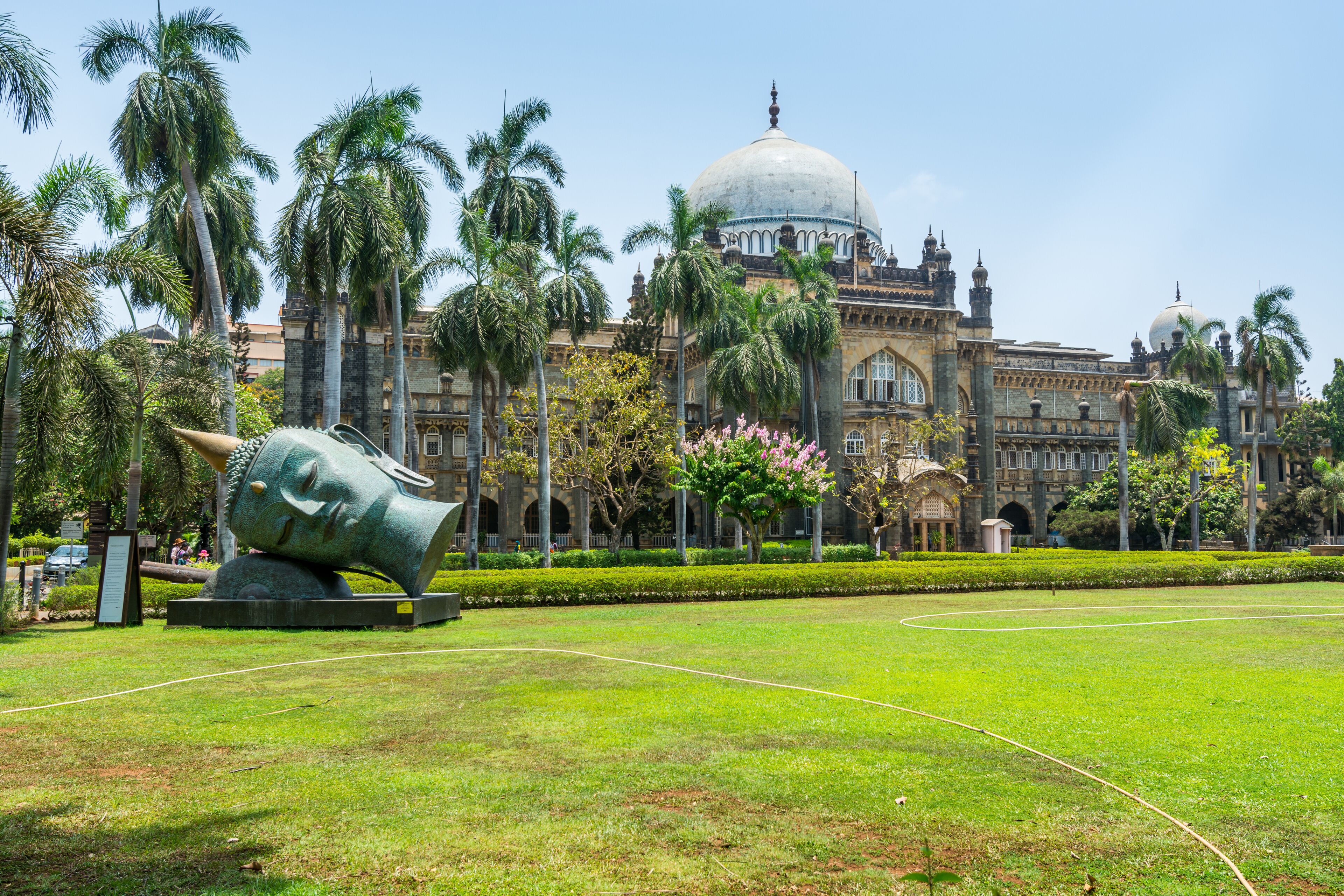
One of the most important cultural landmarks in Mumbai, the Prince of Wales Museum, now known as Chhatrapati Shivaji Maharaj Vastu Sangrahalaya (CSMVS), is a beautiful museum located near the Gateway of India in the Colaba district. The foundation stone was laid in 1905 to commemorate the visit of the Prince of Wales, who later became King George V.

Designed in an elegant Indo-Saracenic architectural style, the museum combines elements of Mughal, Islamic, and European design. Its distinctive dome, inspired by the Gol Gumbaz of Bijapur, makes it one of the most recognisable heritage buildings in South Mumbai.

During our private half day Mumbai tour, we stop outside this impressive museum to admire the architecture and talk about the fascinating collection housed inside, which includes ancient sculptures, miniature paintings, decorative arts, and artefacts from across India.

Chhatrapati Shivaji Maharaj Museum in Fort | Expedia.co.in

Kala Ghoda


Located in the historic Fort district of South Mumbai, Kala Ghoda is the city’s famous art and cultural district, known for its beautiful heritage buildings, galleries, museums, cafés, and vibrant creative scene. The name Kala Ghoda, meaning “Black Horse,” comes from a historic statue of King Edward VII on horseback that once stood in the area.

Today, the neighbourhood is home to some of Mumbai’s most important cultural institutions, including art galleries, museums, and historic buildings that reflect the city’s rich architectural heritage. The streets here are lined with Victorian and Indo-Saracenic buildings, making it one of the most fascinating areas to explore in South Mumbai.

During our private half day Mumbai tour, we pass through Kala Ghoda to experience the artistic and cultural heart of the city while learning about the history behind this iconic neighbourhood.

Today, Kala Ghoda remains one of the most exciting stops on a Mumbai sightseeing tour, especially during the famous Kala Ghoda Arts Festival, when the streets come alive with art, music, and performances.

David Sassoon Library


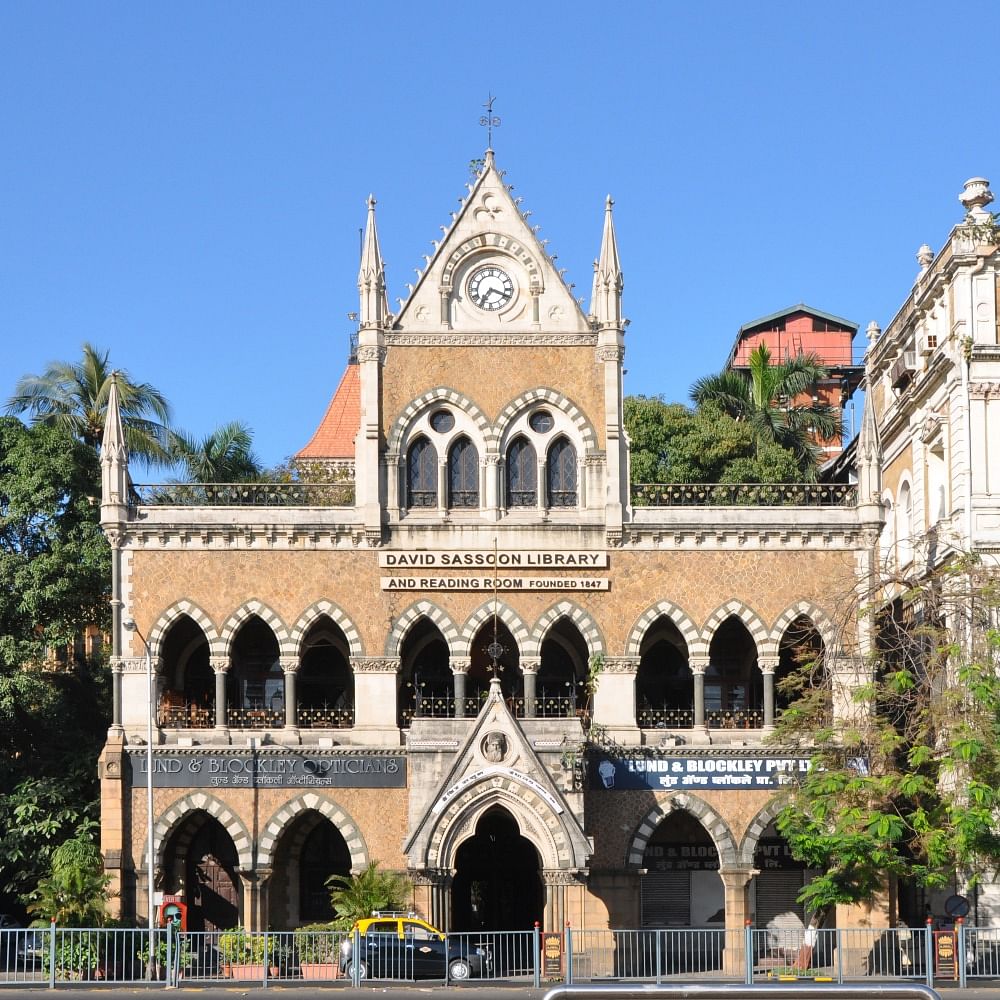
Located in the vibrant Kala Ghoda district of South Mumbai, the David Sassoon Library is one of the city’s most beautiful heritage buildings. Completed in 1870 and funded by the prominent Sassoon family, the library was established to promote learning and public access to books during the colonial era.

The building is designed in a striking Venetian Gothic architectural style, featuring pointed arches, decorative stonework, and a distinctive yellow sandstone façade. Surrounded by trees and historic buildings, the library creates a peaceful atmosphere in the middle of the busy Fort area.

During our private half day Mumbai tour, we stop here to admire the architecture and explore the story of the Sassoon family, influential philanthropists and merchants who played an important role in the development of Bombay.

Today, the David Sassoon Library remains an important cultural landmark and a fascinating stop on a Mumbai sightseeing tour through the historic Kala Ghoda district.

Landmark,Building,Architecture,Classical architecture,Arch,Arcade,Medieval architecture,Place of worship,Facade,Historic site

Final notes: Rhythm House, Mumbai

Rhythm House


Located in the lively Kala Ghoda district, Rhythm House was once one of Mumbai’s most famous music stores and a beloved cultural landmark for music lovers across the city. Established in 1948 by the Jhaveri family, the store became an iconic destination where people came to discover records, cassettes, and CDs from around the world.

For decades, Rhythm House was known for its incredible collection of Indian classical music, Bollywood soundtracks, jazz, rock, and international artists, attracting musicians, collectors, and curious visitors alike. At a time before digital music streaming, this store played an important role in shaping the musical tastes of generations of Mumbaikars.

During our private half day Mumbai tour, we pass through this historic neighbourhood to talk about the cultural life of Mumbai and the role places like Rhythm House played in the city’s vibrant arts scene.

Although the original store closed in 2016, Rhythm House remains an important part of Mumbai’s cultural history and a memorable stop on a Mumbai sightseeing tour through Kala Ghoda.

Knesset Eliyahoo Synagogue (Blue Synagogue)


Hidden in the cultural district of Kala Ghoda, the Knesset Eliyahoo Synagogue, often called the Blue Synagogue, is one of Mumbai’s most beautiful and historic religious buildings. Built in 1884 by the prominent Sassoon family, the synagogue served the growing Baghdadi Jewish community that played an important role in the development of Bombay.

The building is easily recognised by its striking turquoise-blue façade, elegant columns, and beautiful stained-glass windows. Inside, the synagogue features a peaceful prayer hall with wooden benches, decorative balconies, and traditional Jewish architectural elements.

During our private half day Mumbai tour, we stop outside this unique landmark to learn about the fascinating story of Mumbai’s Jewish communities and their contributions to the city’s trade, culture, and philanthropy.

Today, the Knesset Eliyahoo Synagogue remains an important part of Mumbai’s diverse religious heritage and a fascinating stop on a Mumbai sightseeing tour through the historic Kala Ghoda district.

A Temple and a Synagogue in Mumbai (Bombay), India | Where in the world is  Riccardo?

Photo of building

University of Mumbai


Founded in 1857, the University of Mumbai is one of the oldest universities in India and an important landmark in the historic Fort district of South Mumbai. The university’s beautiful campus is best known for the magnificent Rajabai Clock Tower, one of the finest examples of Victorian Gothic architecture in Mumbai.

Designed by the British architect Sir George Gilbert Scott, the tower was completed in 1878 and was inspired by the famous Big Ben clock tower in London. The tower was funded by the wealthy stockbroker Premchand Roychand, who named it after his mother, Rajabai.

During our private half day Mumbai tour, we stop here to admire the impressive architecture and learn about how education and institutions like the University of Mumbai played a key role in shaping the intellectual and cultural life of the city.

Today, the university remains an iconic landmark and an essential stop on a Mumbai sightseeing tour, offering a glimpse into the academic and architectural heritage of the city.

Bombay High Court


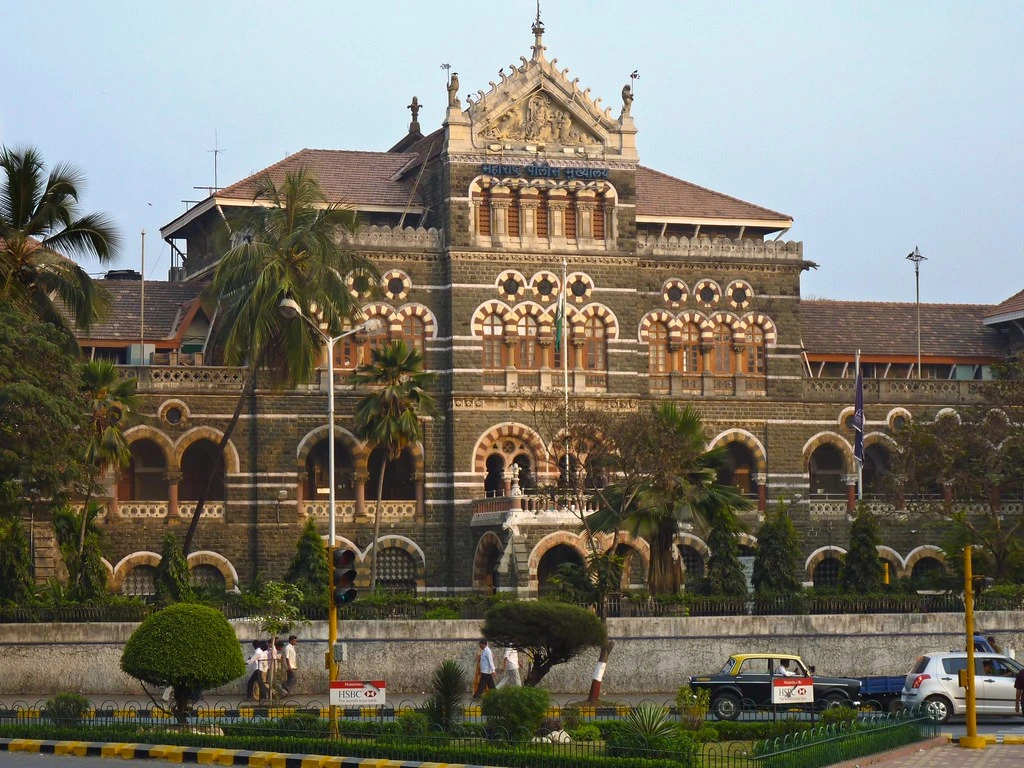
Located in the historic Fort district, the Bombay High Court is one of the oldest and most important courts in India. Completed in 1878, the building is a striking example of Victorian Gothic Revival architecture, with tall spires, pointed arches, and intricate stone carvings that reflect the grandeur of colonial Bombay.

The court has played a central role in the legal history of the city and the country, hearing many important cases that helped shape India’s judicial system. Look closely at the building and you’ll notice fascinating details, including statues representing Justice and Mercy at the top of the structure.

During our private half day Mumbai tour, we stop here to admire the architecture and explore stories about the legal and administrative institutions that developed in Bombay during the British era.

Today, the court remains one of the most impressive landmarks on a Mumbai sightseeing tour, standing proudly among the historic buildings of South Mumbai.

Photo of building

Oval Maidan, Mumbai | Sunday cricket at the Oval Maiden in M… | Chris Guy | Flickr

Oval Maidan

One of the most iconic open spaces in South Mumbai, Oval Maidan is a large public ground located between the historic Fort district and the famous Art Deco buildings of Marine Drive. The ground is well known for its lively atmosphere, where locals gather to play cricket, practice sports, or simply relax in the middle of the city.

What makes Oval Maidan especially unique is the remarkable architectural contrast surrounding it. On one side stand the grand Victorian Gothic buildings of the University of Mumbai and the Bombay High Court, while on the other side are elegant Art Deco residential buildings from the 1930s. Together, these two architectural styles form part of Mumbai’s UNESCO World Heritage precinct.

During our private half day Mumbai tour, we stop here to take in the skyline and talk about Mumbai’s love for cricket, as well as the fascinating architectural heritage that surrounds this historic ground.

Today, Oval Maidan remains one of the most enjoyable stops on a Mumbai sightseeing tour, offering beautiful views and a glimpse into everyday life in the city.

Western Railway Headquarters


Located near Churchgate Station in South Mumbai, the Western Railway Headquarters is an impressive historic building that reflects the importance of railways in the growth of the city. Built in the early 20th century, the structure features elegant architectural details and stands as a reminder of the era when Bombay was rapidly expanding as a major commercial and transportation hub.

Railways have long been the lifeline of Mumbai, carrying millions of commuters across the city every day. The Western Railway network connects the bustling suburbs with the historic heart of South Mumbai, making it one of the busiest suburban railway systems in the world.

During our private half day Mumbai tour, we pass by this important landmark while discussing the incredible scale of Mumbai’s railway system and the role it plays in the daily lives of the city’s residents.

Today, the Western Railway Headquarters stands as an important symbol of the city’s transportation history and is an interesting stop on a Mumbai sightseeing tour through South Mumbai.

No photo description available.

Mumbai Dabbawalas | Tiffin service in Mumbai | TimesTravel

Dabbawalas – Mumbai’s Lunchbox Delivery System


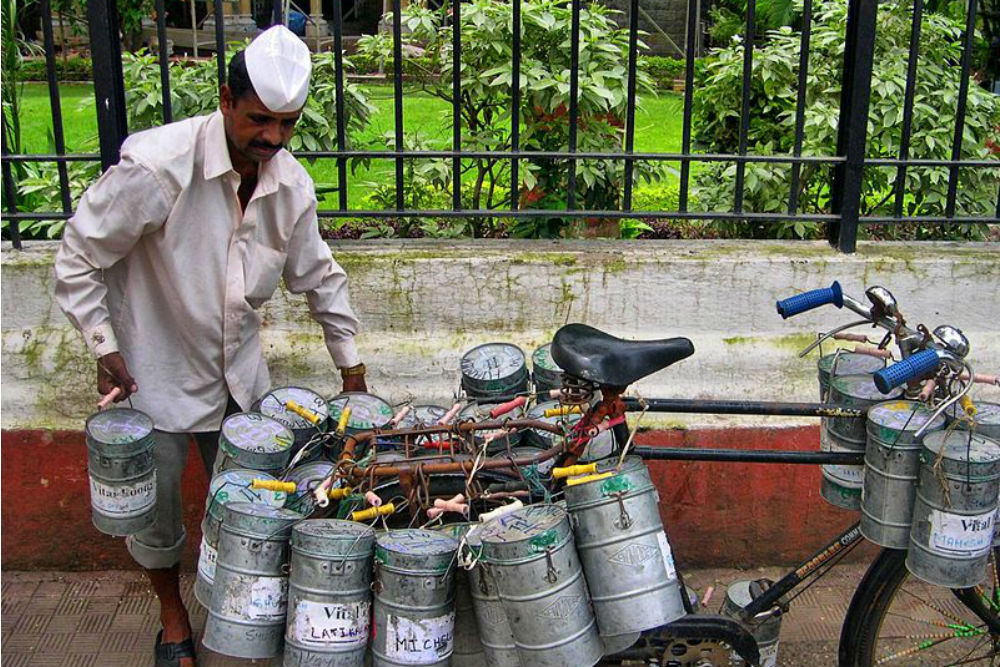
One of the most fascinating stories you’ll discover on a Mumbai city tour is that of the dabbawalas, the city’s legendary lunchbox delivery network. Every day, thousands of dabbawalas collect freshly cooked meals from homes and deliver them to office workers across Mumbai — returning the empty tiffins back again by afternoon.

What makes this system truly remarkable is its accuracy. Using a simple yet highly effective colour-coded and symbol-based system, the dabbawalas manage to deliver over 200,000 lunchboxes daily with an almost flawless success rate — often studied by global business schools and companies.

This system relies on Mumbai’s vast local train network, bicycles, and an incredible level of coordination and teamwork, all without the use of modern technology.

During our private half day Mumbai tour, we talk about this unique system and, if timing allows, may even see the dabbawalas in action near a railway station.

The dabbawalas are a true symbol of Mumbai’s spirit — efficient, resilient, and deeply connected to the everyday life of the city — making them a highlight of any Mumbai sightseeing tour.

Eros Cinema


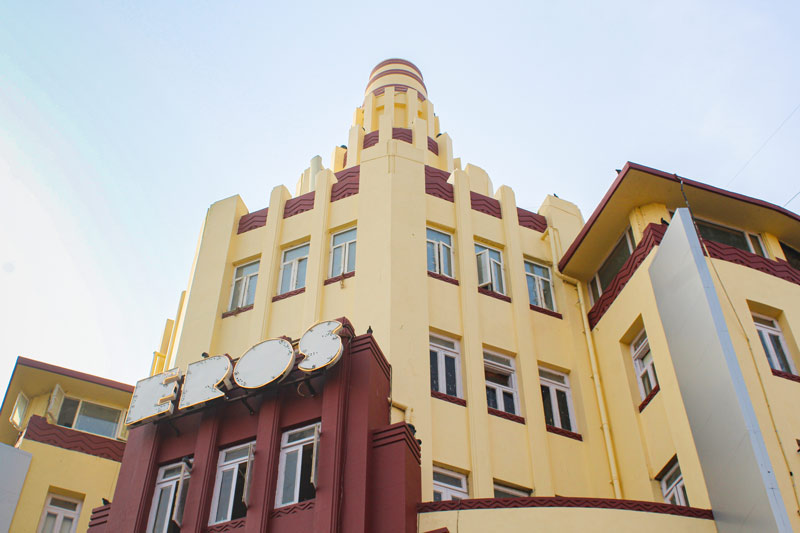
Located near Churchgate Station at the edge of the Oval Maidan, Eros Cinema is one of the finest examples of Art Deco architecture in Mumbai. Opened in 1938, the theatre was designed by architect Sohrabji Bhedwar and quickly became one of the city’s most popular entertainment venues.

The building’s distinctive curved façade, clean lines, and use of red sandstone reflect the modern design style that defined Bombay’s architectural evolution during the 1930s. At a time when cinema was becoming a major part of urban life, theatres like Eros played an important role in shaping the city’s cultural scene.

During our private half day Mumbai tour, we stop here to admire the architecture and explore the rise of cinema culture in Bombay — from grand single-screen theatres to the modern Bollywood industry.

Today, Eros Cinema remains a landmark in South Mumbai and an essential stop on a Mumbai sightseeing tour, showcasing the city’s rich architectural and cultural heritage. 🎬

Eros Cinema - Art Deco

Art Deco in Mumbai - Wikipedia

Art Deco Buildings of Marine Drive


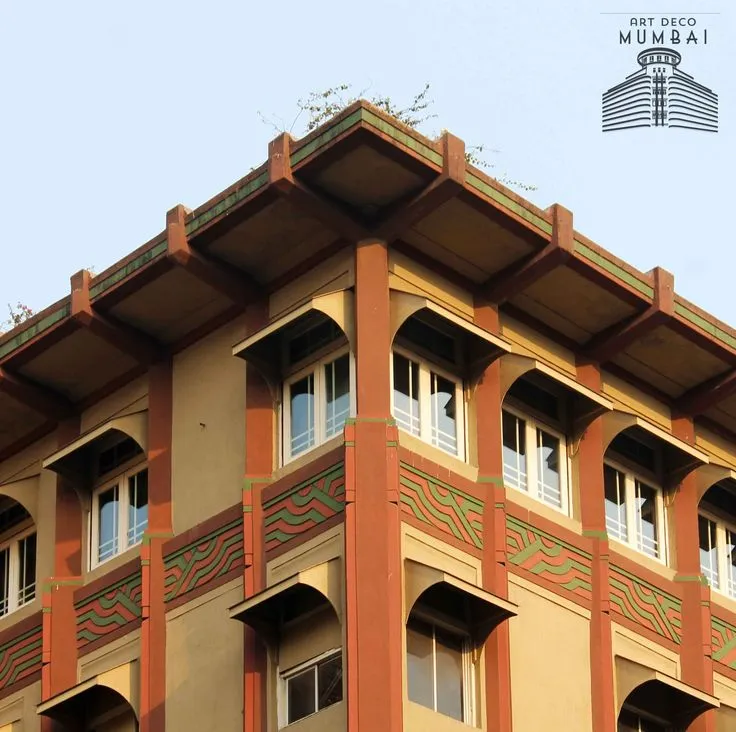
Stretching along the Arabian Sea, Marine Drive is home to one of the largest collections of Art Deco buildings in the world. Built primarily in the 1930s and 1940s, these elegant residential buildings are known for their curved balconies, porthole windows, geometric patterns, and pastel colours.

Often called the “Queen’s Necklace” because of the way the streetlights glow at night, Marine Drive represents a time when Bombay was embracing modernity, style, and a new global identity. The Art Deco movement marked a shift away from the earlier Gothic architecture seen in the Fort area, reflecting changing tastes and aspirations in the city.

Together with the nearby Victorian Gothic buildings around Oval Maidan, this area forms part of a UNESCO World Heritage Site, highlighting Mumbai’s unique architectural landscape.

During our private half day Mumbai tour, we drive along Marine Drive to admire these iconic buildings and take in stunning views of the coastline.

Today, Marine Drive remains one of the highlights of any Mumbai sightseeing tour, offering a perfect blend of architecture, history, and scenic beauty. 🌊

Marine Drive

One of the most iconic landmarks in the city, Marine Drive is a sweeping 3.6-kilometre boulevard that curves gracefully along the Arabian Sea in South Mumbai. Built in the early 20th century, it connects Nariman Point to Girgaum Chowpatty and offers some of the most stunning views in the city.

Often called the “Queen’s Necklace,” Marine Drive gets its nickname from the way the streetlights sparkle like a string of pearls when viewed at night. Lined with elegant Art Deco buildings, the promenade reflects a time when Bombay was embracing modern design and a cosmopolitan identity.

Throughout the day, Marine Drive is a place where the city comes to pause — locals come here to walk, jog, relax, and watch the waves crash against the promenade, especially during the monsoon season.

During our private half day Mumbai tour, we drive along Marine Drive and, where possible, stop to take in the views and experience one of the most loved public spaces in Mumbai.

Today, Marine Drive is a must-see highlight on any Mumbai sightseeing tour, offering a perfect mix of scenic beauty, history, and the spirit of the city. 🌊


Wassup Mumbai on Instagram: “From the richest to the poorest, oldest to  youngest, everyone identifies with this miracle of Mumbai – the Queen's  Necklace Mumbai…”

Mani Bhavan - Mahatma Gandhi's Mumbai Connection | Incredible India

Mani Bhavan

Tucked away in the quiet neighbourhood of Gamdevi, Mani Bhavan is one of the most important historical sites associated with Mahatma Gandhi in Mumbai. Between 1917 and 1934, this modest building served as Gandhi’s residence during his visits to the city and became a centre for many key activities of India’s freedom movement.

It was from Mani Bhavan that Gandhi launched important movements such as the Non-Cooperation Movement and promoted ideas like Swadeshi and civil disobedience. Today, the building has been converted into a museum dedicated to his life and work, featuring photographs, letters, a library, and even the room where Gandhi stayed.

During our private half day Mumbai tour, we visit Mani Bhavan to gain a deeper understanding of Gandhi’s role in India’s struggle for independence and his connection to the city of Bombay.

Today, Mani Bhavan is an essential stop on a Mumbai sightseeing tour, offering a powerful and personal glimpse into the life of Mahatma Gandhi and the history of India’s independence movement.

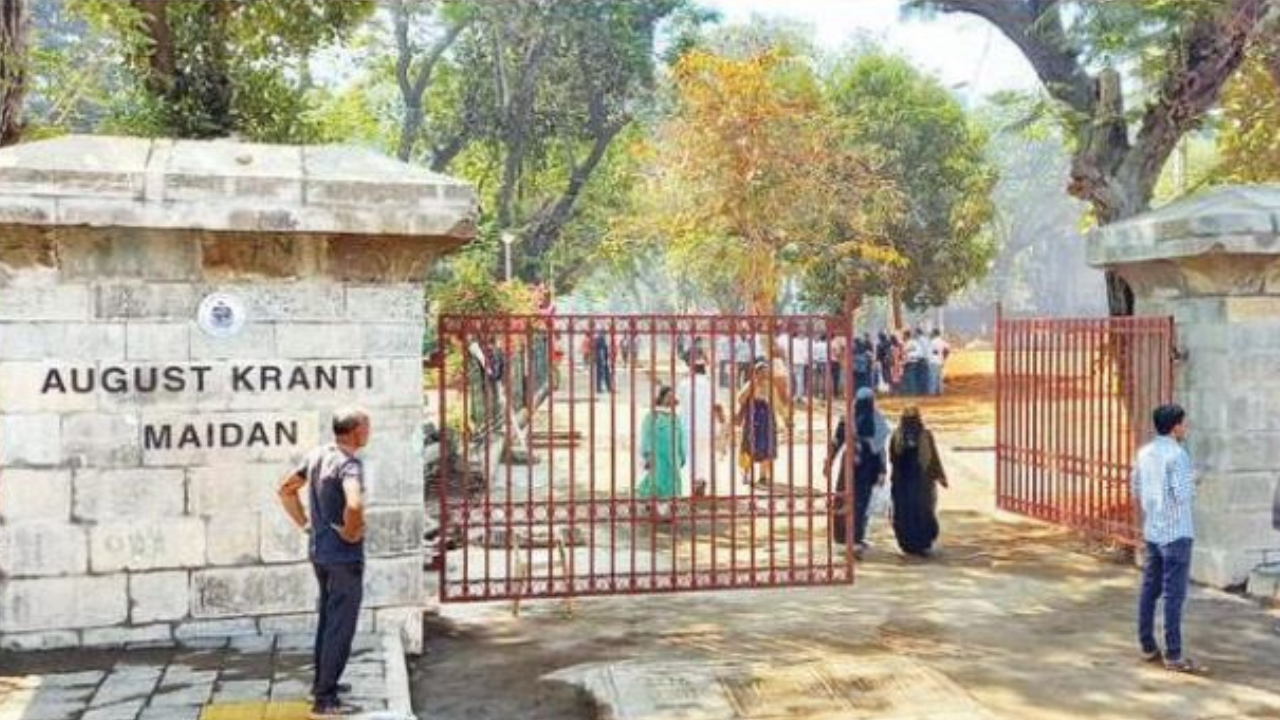
August Kranti Maidan

Located in the heart of South Mumbai, August Kranti Maidan, formerly known as Gowalia Tank Maidan, is one of the most important landmarks in India’s freedom struggle. It was here, on 8 August 1942, that Mahatma Gandhi launched the historic Quit India Movement, calling for an end to British rule.

The phrase “Do or Die”, famously associated with this movement, was delivered at this very ground, inspiring millions across the country to join the fight for independence. The maidan soon became a symbol of resistance, courage, and unity during one of the most critical moments in India’s history.

Today, the park is a peaceful public space, but it carries deep historical significance and is marked by memorials that commemorate the events of 1942.

During our private half day Mumbai tour, we stop here to explore the powerful stories of India’s independence movement and understand the role Bombay played in shaping the nation’s future.

Today, August Kranti Maidan remains an important stop on a Mumbai sightseeing tour, offering a meaningful connection to the story of India’s freedom struggle.

Mumbai's August Kranti Maidan, where Quit India Movement was sparked, gets a new layer of history from British-era bridge | Mumbai News - Times of India

Where to Find The Best Gujarati Thalis in Mumbai - NDTV Food

Gujarati Thali Experience


No visit to Mumbai is complete without experiencing a traditional Gujarati thali — a wholesome and flavour-packed meal that reflects the rich culinary heritage of Gujarat. Served on a large platter, a thali includes a variety of dishes such as dal, vegetables, roti, rice, pickles, chutneys, sweets, and farsan (snacks), all perfectly balanced in taste.

What makes a Gujarati thali unique is its delightful mix of sweet, spicy, and tangy flavours, often served in an unlimited format, where servers continuously refill your plate. It’s not just a meal, but a warm and welcoming dining experience that reflects the spirit of Indian hospitality.

During our private Mumbai tour by car, we stop for a delicious Gujarati thali lunch, giving you the chance to relax and enjoy authentic local cuisine in a traditional setting.

This culinary experience is a highlight of any Mumbai sightseeing tour, offering a deeper connection to the flavours and traditions of the city. 🍽️